Dopo Srebrenica, video di Andrea Rossini
Nella fabbrica dell’orrore.
Di Francesco Battistini – Foto di Livio Senigalliesi per Sette/Corriere della Sera
SREBRENICA (Bosnia)
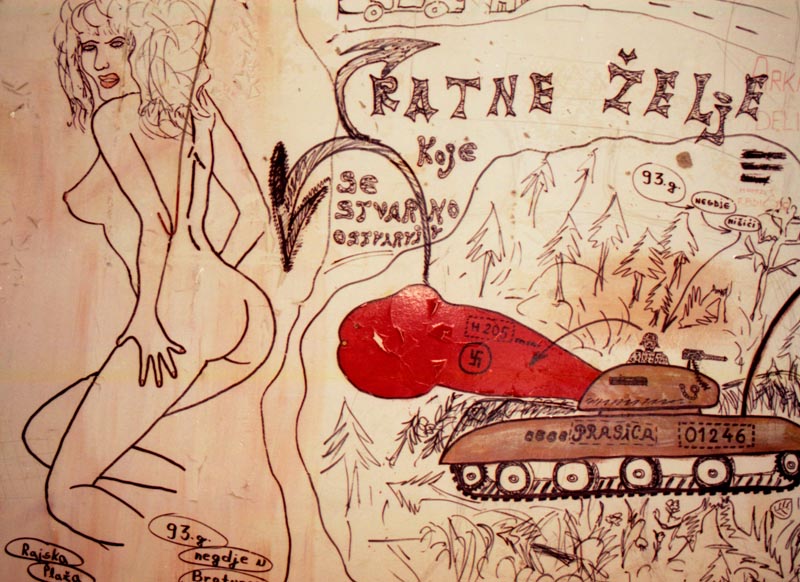
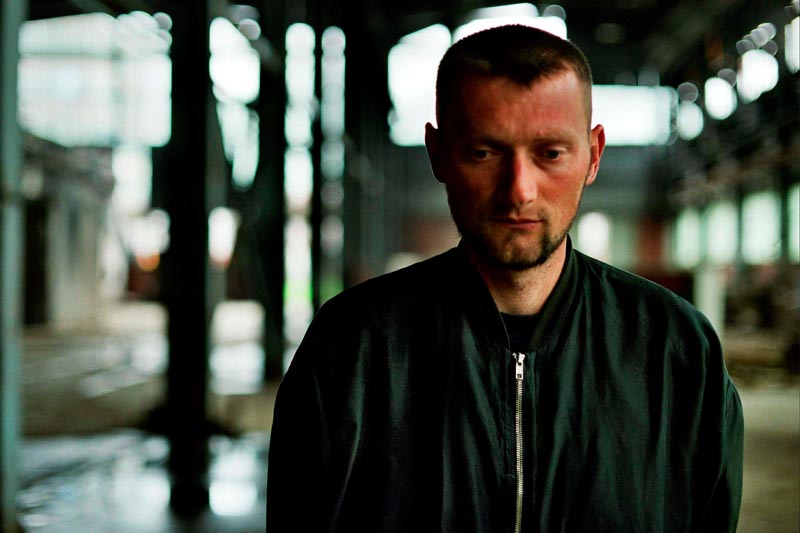
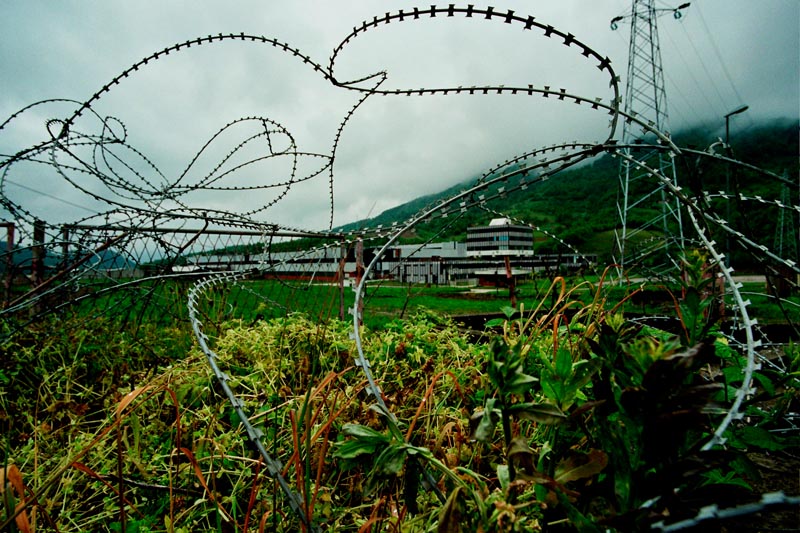
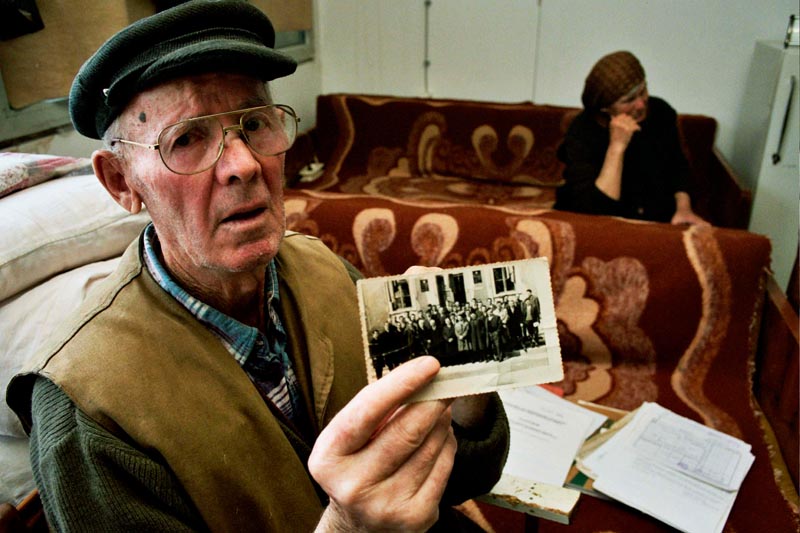
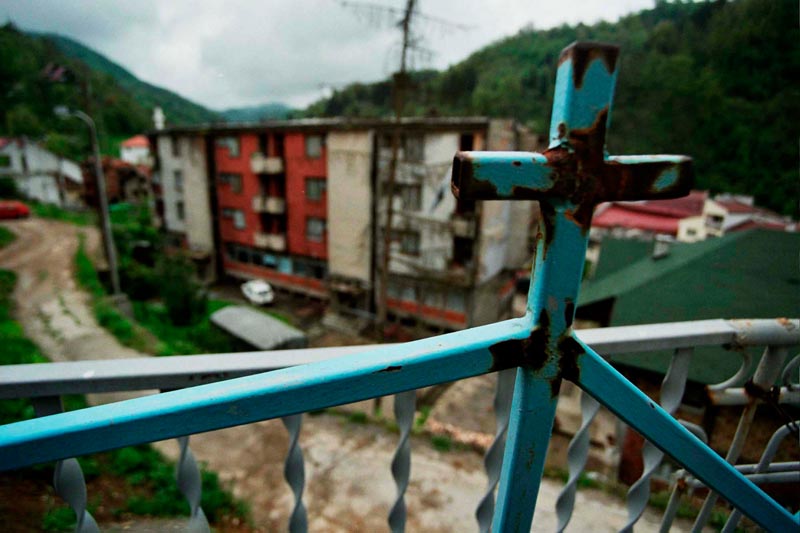
– Accadde tutto ai piani di sotto. Nella fabbrica abbandonata, che allora produceva accumulatori per auto e adesso è la finestra sulla memoria, un orfano ormai adulto mostra come andò. I serbi di Ratko Mladic chiusero il paese e si misero qui. Ammassavano gli uomini al pianoterra: nella portineria ci sono ancora scarpe rattrappite. Agli uffici del primo violentavano le donne, vecchie o bambine faceva lo stesso: sulle pareti si possono ammirare gli affreschi del delirio, falli naturalmente giganti su poverette naturalmente soddisfatte, e le didascalie “non ha i denti? Ha i baffi? Puzza di merda? E’ una bosniaca!”.
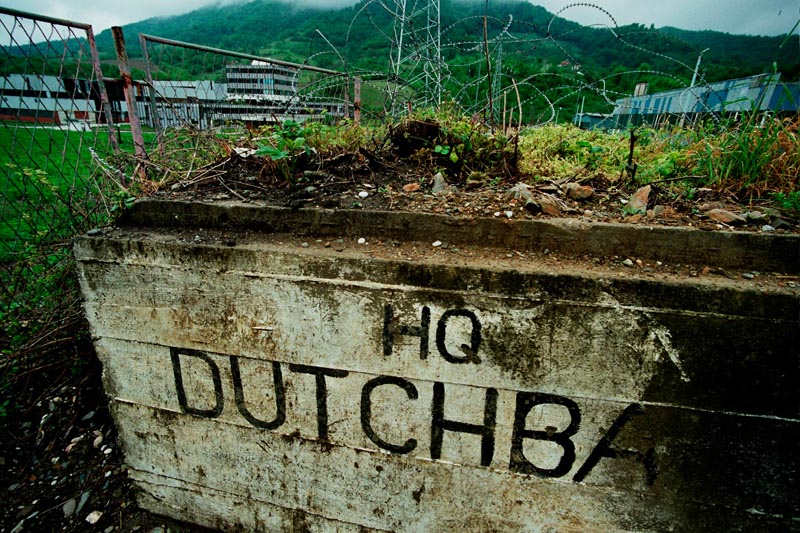
Là dietro poi stavano “i peggiori di tutti – spiega l’orfano – i caschi blu dell’Onu che ci lasciarono in mano a quelle bestie, fuggirono nelle discoteche di Spalato a festeggiare la fine della naja, senza avvertire nessuno”. Là dietro, al posto di guardia con la scritta United Nations che un graffitaro ha ribattezzato United Nothing, in questi dieci anni s’è rivisto uno solo di quei caschi blu olandesi, il giovane Wim, il fotografo del contingente. L’unico, a tornare qui per chiedere perdono di Srebrenica, luglio 1995: il più grande, feroce massacro in Europa dai tempi del nazismo. Una mattina di primavera, neve alta fuori.
L’ultimo piano della fabbrica ha qualche stanza riscaldata. Nella più grande stava il consiglio d’amministrazione, due rampe sopra l’ufficio stupri. Oggi è piena di donne in nero, uomini che fumano. Riunione per le celebrazioni del decennale.
“Controllate le pubblicazioni su Srebrenica! – protesta Salih Brkic, un giornalista – Scrivono cose false! Dicono già che qui non è successo niente, come fanno con Auschwitz!”.
“Invitiamo anche i serbi di Belgrado – propone uno studente – mostriamo al mondo che ci rispondono di no”.
Il sindaco Abdurahman Malkic, musulmano eletto con l’unico slogan possibile (“tiriamo avanti”) in una cittadina che ha avuto più di 7mila massacrati, vorrebbe tutti i grandi del mondo a Srebrenica, a ricordare l’indifferenza di allora e a vergognarsi della rimozione del dopo:
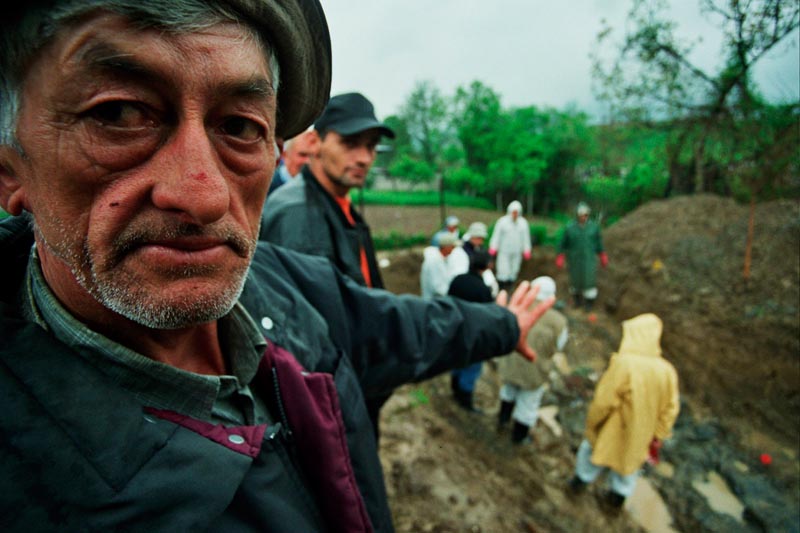
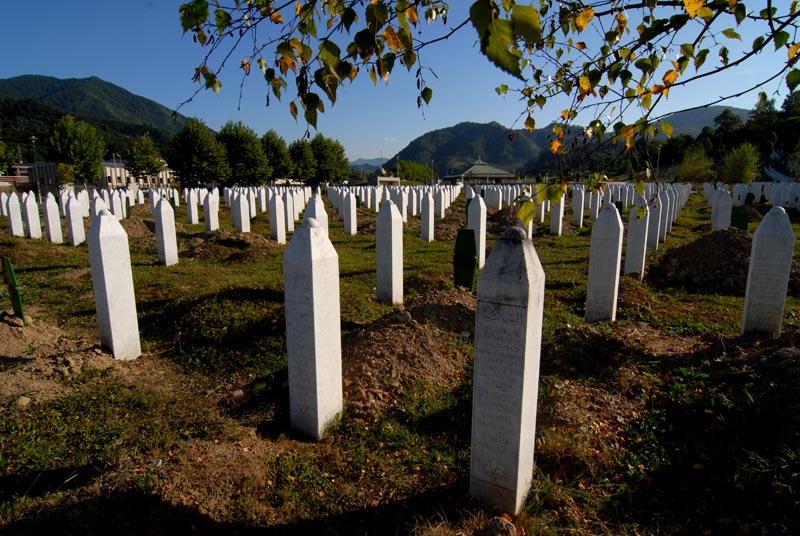
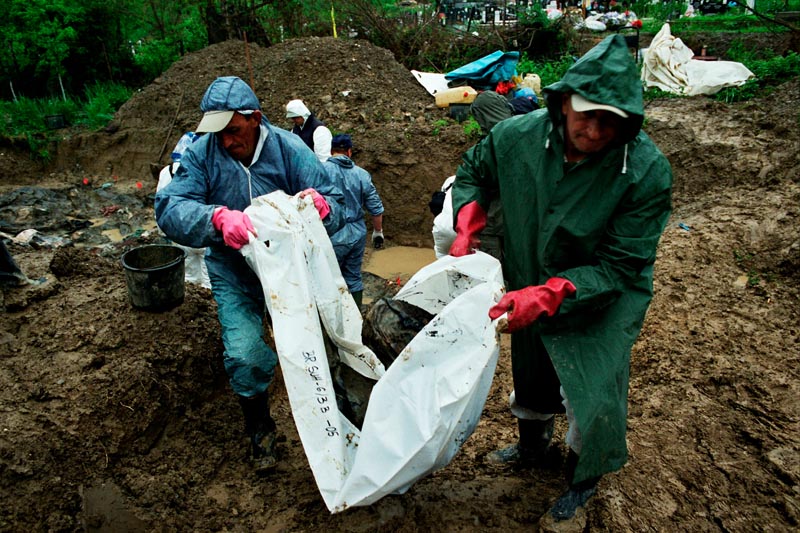
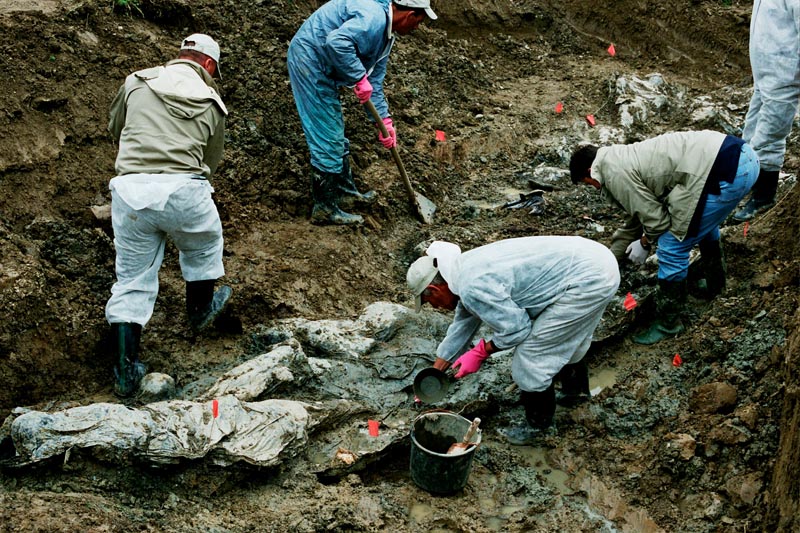
“Non abbiamo avuto nemmeno i nostri morti: le tombe sono 1.376. E gli altri? Qui intorno ci sono ancora 34 fosse comuni da scavare. Nessuno le apre”.
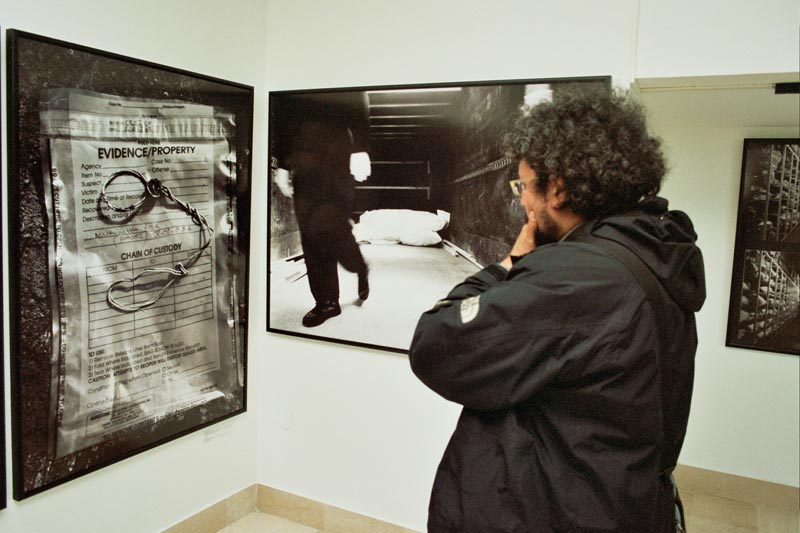
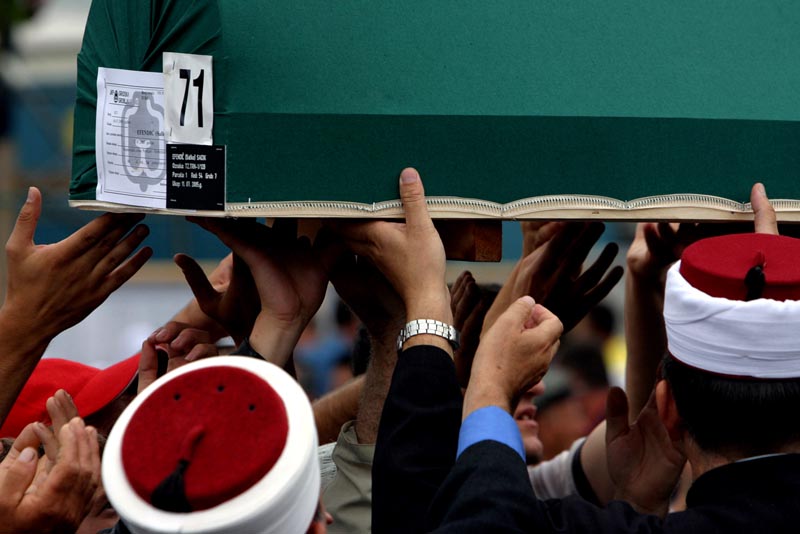
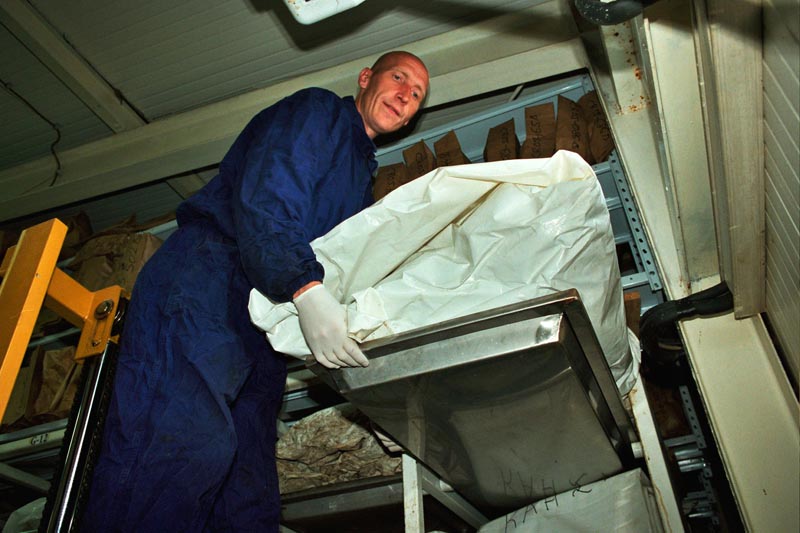
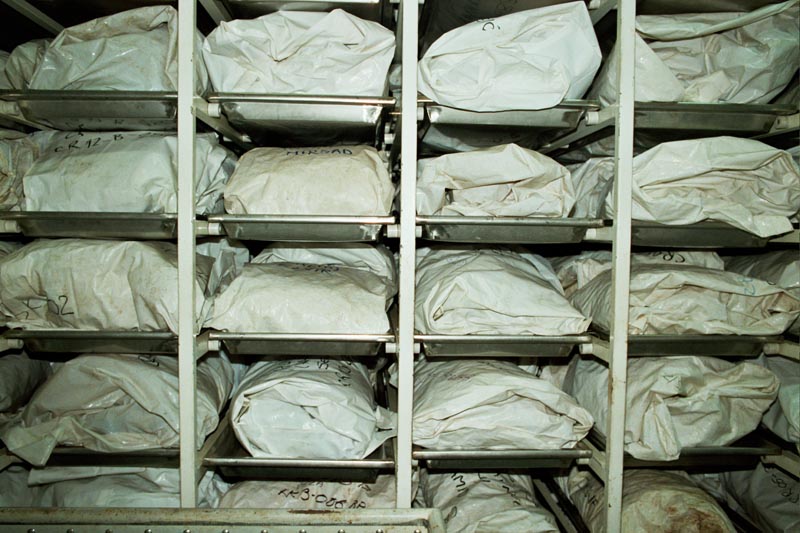
A Tuzla si può visitare un enorme frigorifero, un odore da svenire: quattromila sacchi, con dentro i pezzi di corpi, stanno ancora lì. Dopo dieci anni. In questi mesi ne sono stati identificati duecento, da seppellire al Memorial Day di luglio. Gli altri rimarranno nel freezer, senza nome: “Di Srebrenica non parla più nessuno. – dice il sindaco – Dopo l’11 settembre, questi morti musulmani non interessano. E dov’è la giustizia internazionale che ha trovato in pochi mesi Saddam, ma non ha mai preso il macellaio Mladic e il suo mandante Karadzic?”.
Tutti d’accordo, nella stanza: stavolta non sarà una commemorazione qualsiasi. Le idee: “Mettiamo bandiere dell’Onu e dell’Olanda a mezz’asta”; “facciamo una silenziosa marcia della morte, Srebrenica-Tuzla, con tutti i profughi mai tornati”; “ribattezziamo le strade coi nomi delle vittime”…
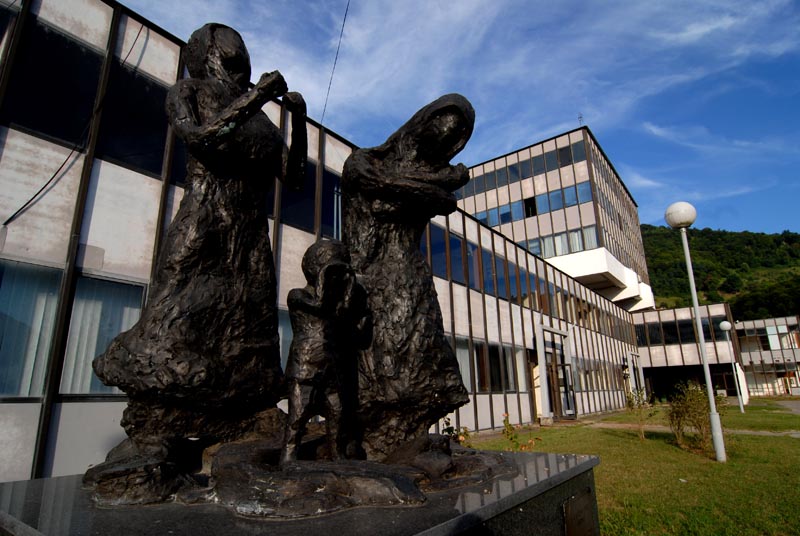
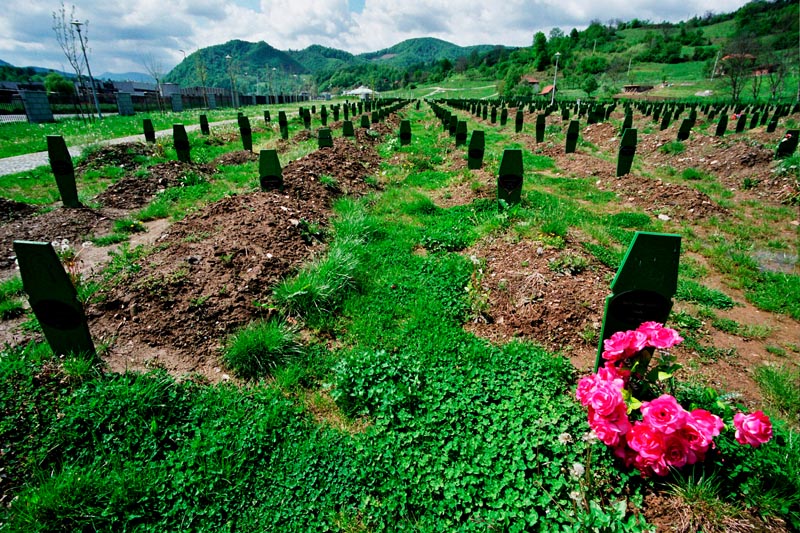
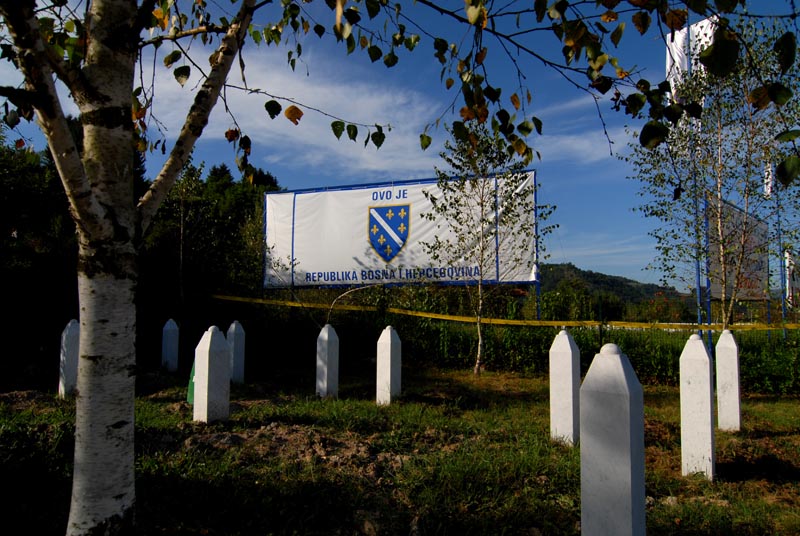
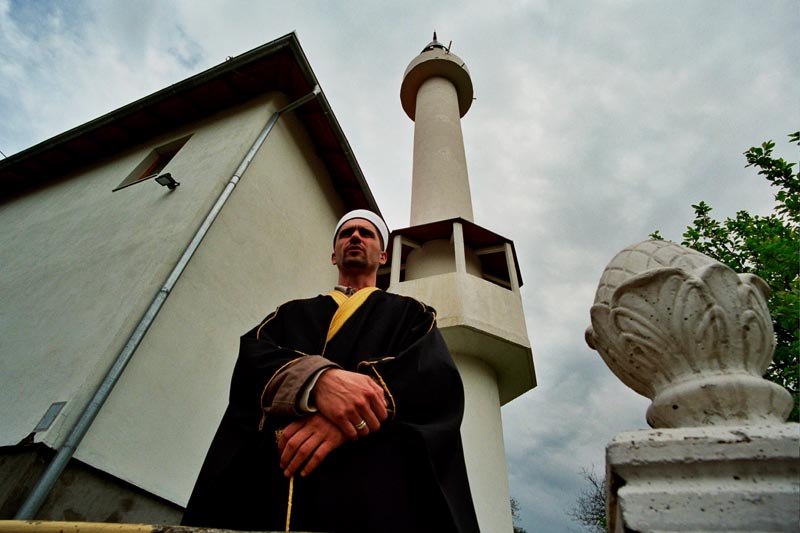
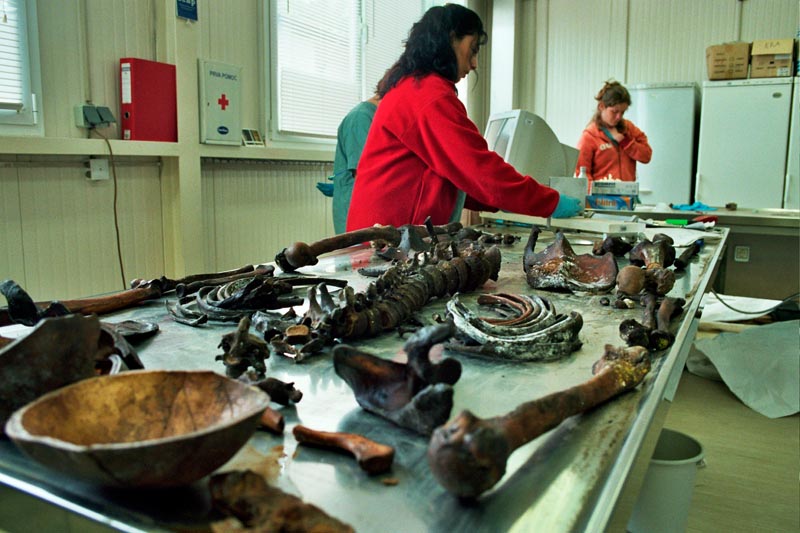
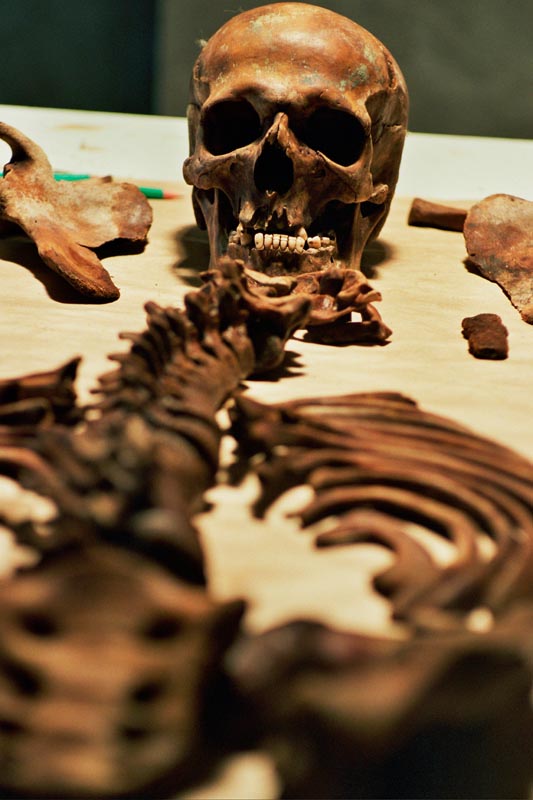
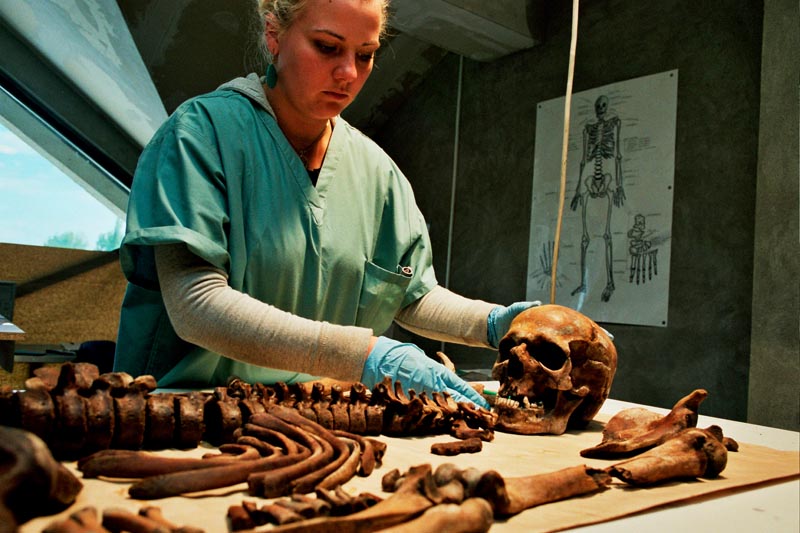
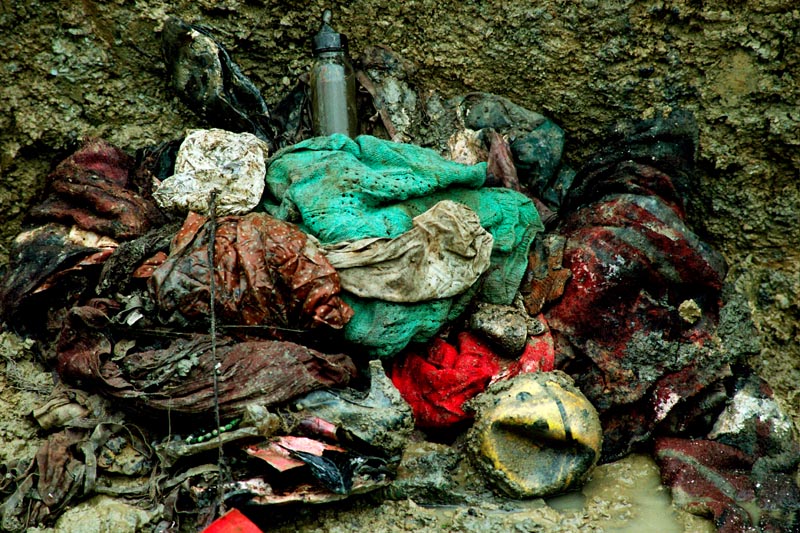
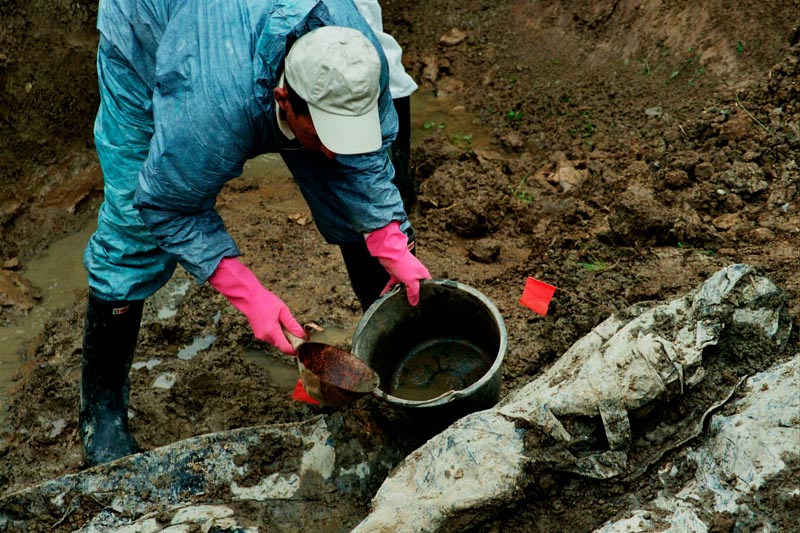
Il cimitero-memoriale, di fronte alla fabbrica del macello, è stato costruito col pessimismo di chi sa come andrà: lo spazio per un altro migliaio di lapidi verdi, non di più, perché nessuno s’aspetta che i conti con quell’estate assassina saranno mai chiusi. A Sarajevo c’è un laboratorio attrezzato, nei sotterranei refrigerati della Commissione per le persone scomparse (ICMP), dove comparano il dna di teschi, brandelli di vestiti dissepolti in ogni angolo dei Balcani.
L’ICMP ha lavorato anche a Ground Zero, è una squadra di duecento persone che sta riscrivendo in provetta le tragedie degli anni ’90, dalla Croazia al Kosovo: 25.146 desaparecidos, 67.292 campioni di sangue, 13.499 frammenti ossei, 10.923 dna fotografati, 9.415 paragonati e 6.861 identificati… Un lavoro troppo lento, protestano i sopravvissuti di Srebrenica:
“Hanno ragione. – riconosce Kathryne Bomberger, la capomissione – Ma la lentezza è perché questo non fu un massacro come gli altri. L’eliminazione dei corpi fu meticolosa. I serbi volevano nascondere le prove. D’un uomo s’è trovata una mano qui e una gamba in Kosovo.
La collaborazione dei governi, poi, è minima. Le fosse comuni nei Balcani sono una storia che nessuno vuole riesumare: i leader delle guerre di allora – Milosevic, Tudjman, Izetbegovic – sono rimasti al potere fino a poco fa”.
Lenti i becchini, lentissimi i giudici. I grandi colpevoli sono latitanti, molti processi ancora in corso. Il Tribunale dell’Aja ha condannato un generale, incriminato 14 militari. Mladic e Karadzic stanno nascosti in Serbia. Nessuno li denuncia, nessuno li arresta. Troppi fantasmi popolano questi boschi. E molte verità sono ancora da raccontare. Quella di Nasir Oric, ad esempio, l’ufficiale bosniaco che comandava la difesa di Srebrenica e pochi mesi dopo fu accusato dai suoi d’avere ceduto la posizione. Si difese duro, Oric, tirando in ballo perfino il presidente bosniaco Alija Izetbegovic e un accordo segreto per consegnare Srebrenica ai serbi, in cambio della salvezza di altre città: se ho portato via i miei soldati, scrisse l’ufficiale in un libro tolto subito dalla circolazione, fu per obbedire a un ordine superiore. Ordine di chi?
Scampato a diversi attentati, rientrate le vecchie accuse di tradimento, oggi in Bosnia tutti considerano Oric un eroe. Dal 2003, è incarcerato all’Aja per crimini di guerra. E non risponde alle richieste d’intervista. L’olocausto di Srebrenica fu l’ultima goccia di sangue. Fece traboccare l’incapacità dell’Onu. Costrinse la Nato, prima volta, a bombardare in Europa. Portò agli accordi di Dayton. In questa campagna lontana, dieci anni fa si recitò l’atto finale della tragedia bosniaca: 43 mesi di guerra, 250mila morti, 4mila fosse comuni, migliaia di dispersi.
Amputati, orfani, sfollati che dormono ancora in giro per i Balcani. Una pace che sopravvive, ma a fatica: a Srebrenica c’erano 37mila musulmani, ne sono rientrati un decimo. Un giorno di gennaio Pasa Mustafic, una vecchietta che era riuscita a cacciare i serbi dalla sua casa, è saltata per aria: qualcuno le aveva messo una bomba in giardino.
“Questa è una storia solo congelata. – dice Svetlana Broz, la nipote di Tito che vive da queste parti – Come fa la gente a dimenticare, se ancora non ha dato sepoltura ai morti? Celebrare i dieci anni da Dayton, non interessa a nessuno. La Bosnia-Erzegovina è uno Stato obbligato a restare unito solo dalla comunità internazionale. L’odio lo respiri. E le telecronache dall’Aja non aiutano: Milosevic che pontifica, i suoi che condizionano la politica in Serbia. Che avrebbero fatto gli europei, se dopo la Seconda guerra mondiale Hitler fosse finito in un comodo carcere a difendersi in un tranquillo processo, col suo partito ancora al potere in Germania?”.
A Srebrenica, l’Europa finanzierà un museo dell’eccidio, come nei lager nazisti. Ci metteranno montagne di scarpe, mucchi d’occhiali, quel che resta dei trucidati. Anche le foto di Ahmed “Blicko” Bajric, l’unico reporter che scattò gli occhi dei bambini prima del colpo di grazia, la donna impiccata a un albero pur di sfuggire allo stupro.
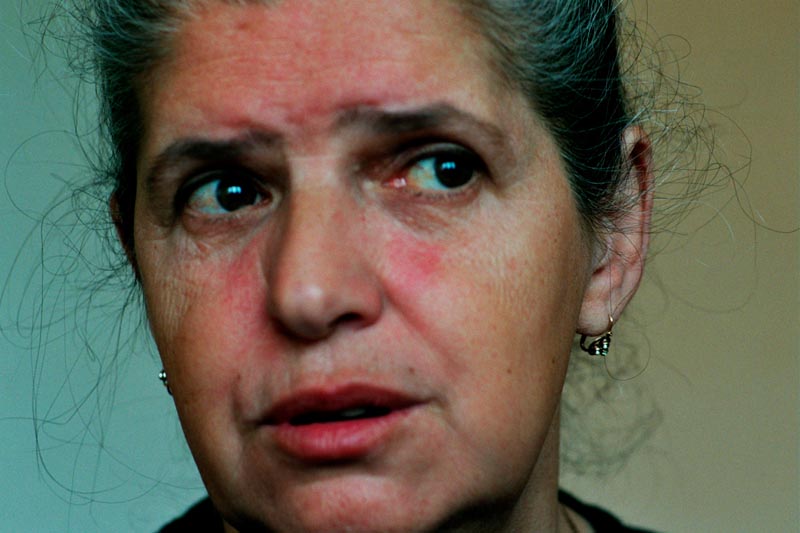
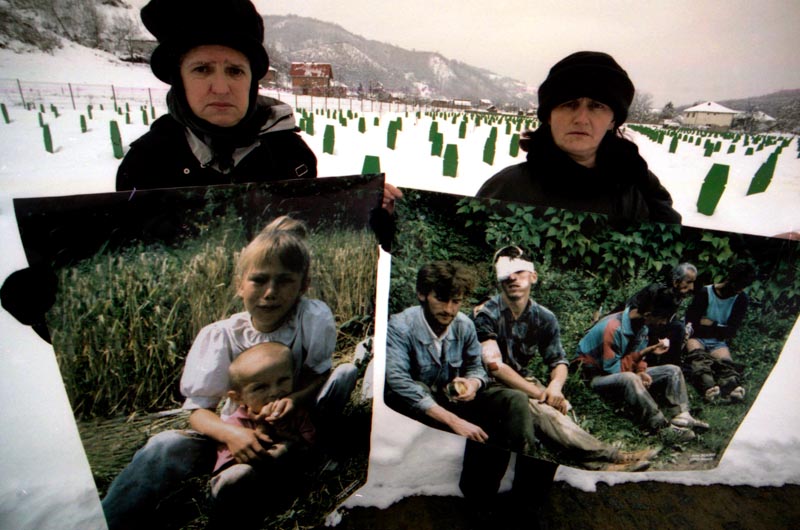
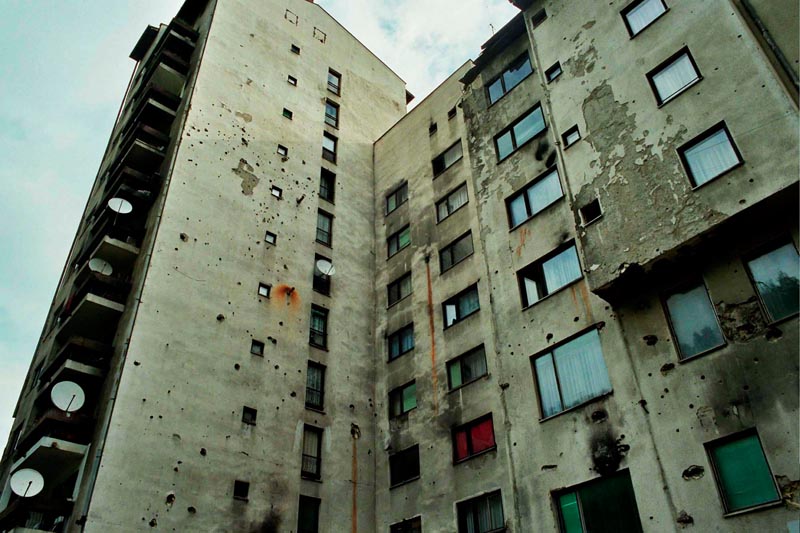
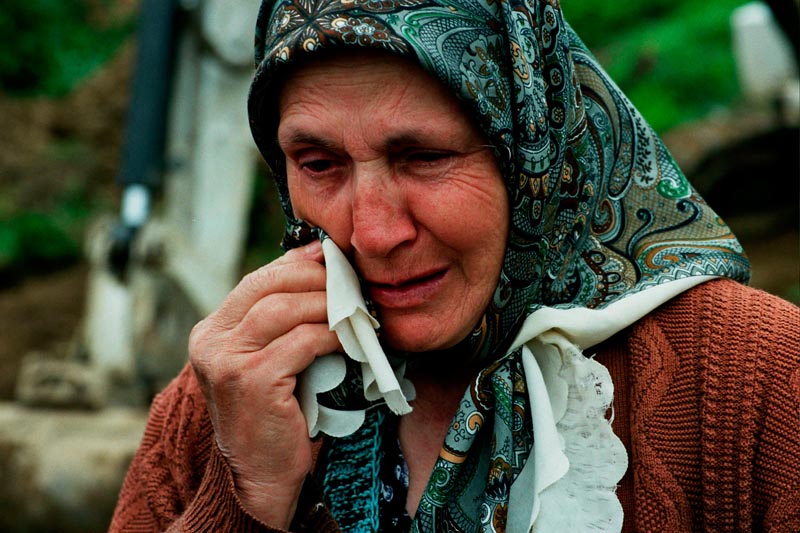
Non c’è bisogno d’arredare la memoria, però: a Srebrenica il memoriale è dappertutto. In paese, non c’è muro senza il foro d’uno sparo. Di fianco al municipio, lo stabilimento Energoinvest è uno scheletro bruciato. Su una casa ai margini è mancata perfino la voglia di cancellare una scritta, “Ratko”, lasciata dai kapò di Mladic. Tutte le settimane ci sono due donne al cimitero, Haira Catic e Nura Begovic, 62 e 48 anni. Le loro famiglie non esistono più.
L’unica tomba che hanno è del suocero di Nura: “Ogni volta che esce l’elenco dei nuovi identificati – fanno ironia -, sembriamo quelli che aspettano i numeri del lotto”.
Nessuno ha mai i numeri buoni. Qualche settimana fa, nella casa di Tuzla dove le due donne vivono, una letterina col logo dell’Onu è finalmente arrivata. L’hanno aperta, ansiose: era una colletta per le vittime dello tsunami.